
ups-selection-guide
IEC 62040 and CE for UPS Tenders: What Procurement Teams Actually Check
What IEC 62040-1/-2/-3 and CE actually cover for UPS supply, which documents to request, and the traps that disqualify bids.
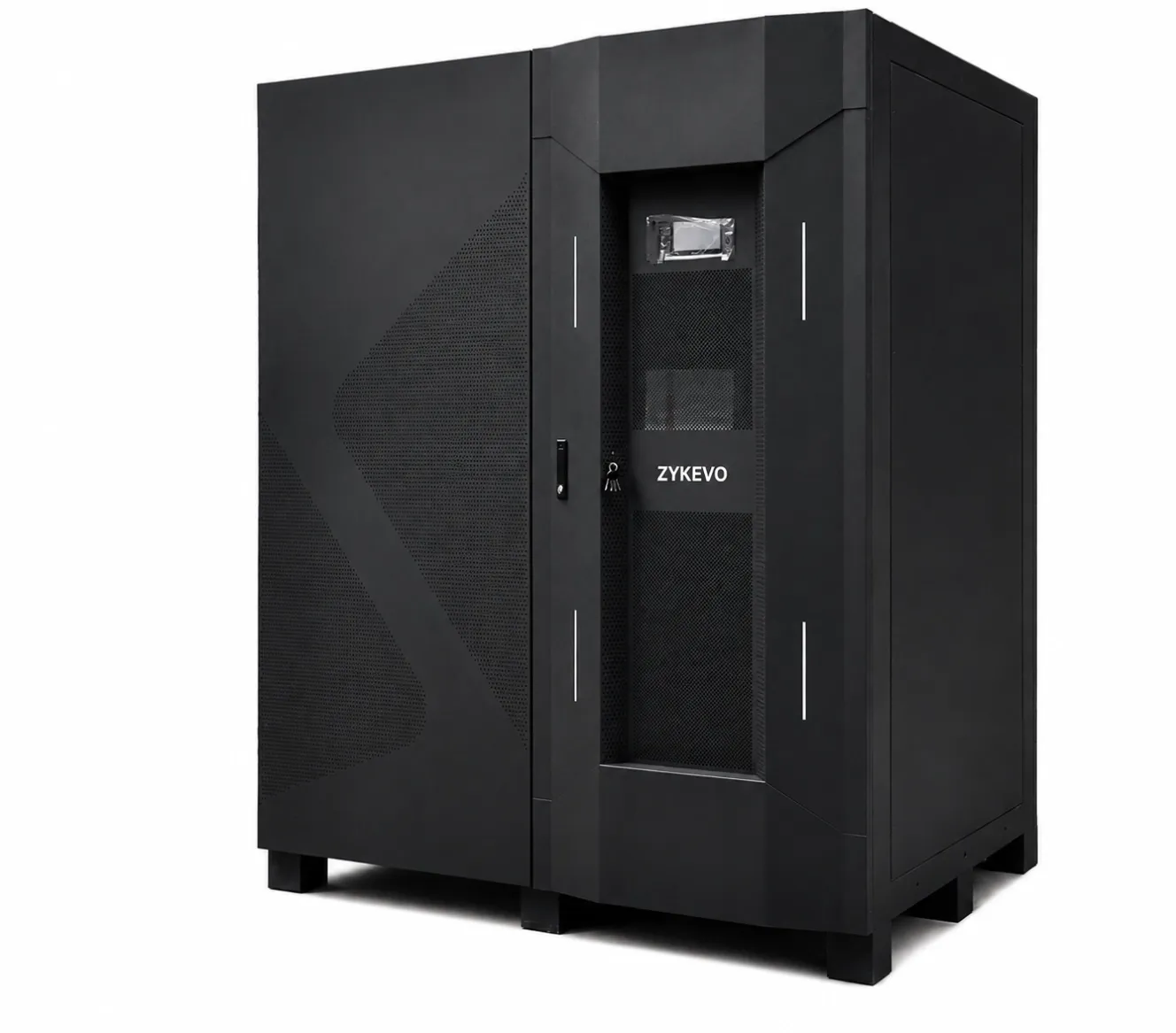
Public and utility tenders for UPS systems increasingly specify IEC 62040 compliance and CE marking as mandatory qualification criteria. Bidders lose on paperwork, not on products: certificates that do not match the tendered model, missing EMC categories, or test reports nobody can produce. This checklist tells you what the standards mean and exactly which documents to collect before the deadline.
The Three Parts of IEC 62040
IEC 62040 is the international standard family for UPS systems, and each part answers a different tender question. Part 1 (EN/IEC 62040-1) covers safety: protection against electric shock, fire and mechanical hazards. Part 2 (EN/IEC 62040-2) covers electromagnetic compatibility, with category C2 for plug-in equipment and C3 for permanently installed systems - tenders for large installations usually demand C3. Part 3 (EN/IEC 62040-3) covers performance and defines the output classification: it is what proves a true double-conversion online UPS with zero transfer time, not just a box labelled online.
What CE Marking Adds
CE marking on a UPS declares conformity with the applicable EU directives, backed normally by 62040-1 and 62040-2 test evidence. For tenders, CE is the entry ticket; the IEC test reports behind it are what survive technical evaluation. RoHS documents are increasingly requested alongside CE, particularly in projects with environmental scoring.
Documents to Request From Your Supplier
Collect four things per tendered model range: the CB scheme or CE certificate with the exact model family and standard edition named; the EMC test report with the C2 or C3 category visible; the 62040-3 performance classification for the output; and the manufacturer quality system certificate for factory audits. Chinese GB/T standards documentation can support technical maturity claims but does not replace IEC evidence in international tenders.
Three Traps That Disqualify Bids
First, certificate scope mismatch: the certificate names a 10kVA model but the tender is for 200kVA units. Second, expired editions: procurement teams increasingly check that the certificate references the current standard edition. Third, silent subcontracting: the certificate belongs to a different factory than the one named in the bid. ZYKEVO units are produced in our own Guangzhou facility with CE (safety and EMC) and RoHS documentation available per model family - request the document pack with your inquiry and we will match it to your tender line items.