
Jul 22, 2026Technical Resources
How to Replace UPS Lead-Acid Batteries with Lithium Batteries
A practical guide for UPS service companies and IT room operators planning lead-acid to lithium battery retrofit projects for compatible UPS systems.
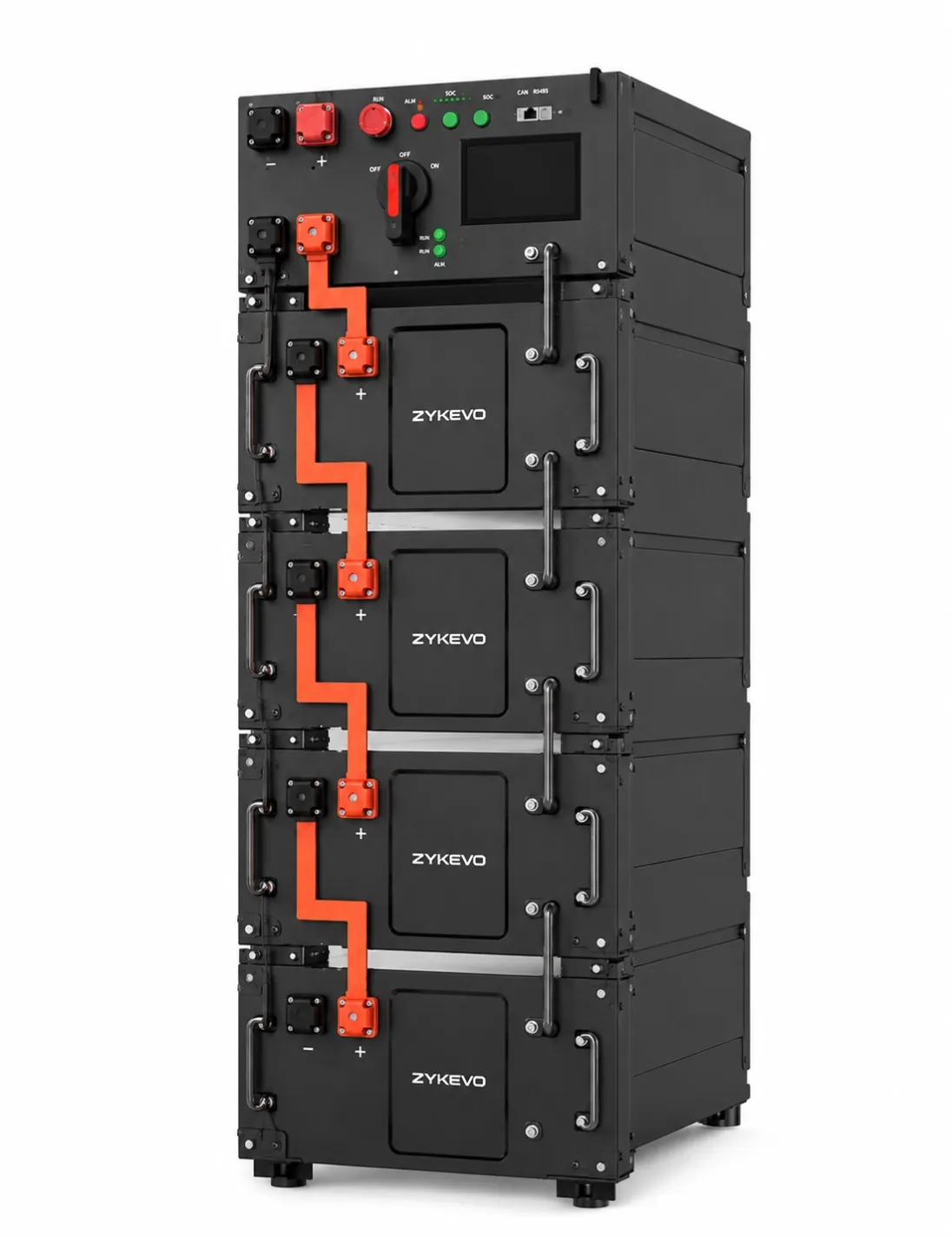
Replacing UPS lead-acid batteries with lithium batteries can be a good project opportunity for UPS service companies, IT service providers and server room maintenance teams. But it should not be treated as a simple battery swap.
For a safe retrofit, the UPS model, DC voltage window, charger current, BMS communication, protection logic, real load and required backup time must be reviewed before quotation and installation.
This guide explains what to check before changing an existing UPS battery system from lead-acid batteries to lithium batteries.
When Does Lead-Acid to Lithium Retrofit Make Sense?
Lead-acid to lithium retrofit is usually worth reviewing when:
- The existing UPS is still working, but the VRLA battery strings are aging.
- The customer wants longer replacement intervals and lower battery maintenance work.
- The battery room or cabinet space is limited.
- The project requires longer backup time.
- The UPS service provider wants to offer an upgrade option instead of only replacing lead-acid batteries again.
It is not suitable for every UPS. Some older UPS models may have charger, voltage, firmware or communication limits that make lithium retrofit difficult or uneconomical.
UPS Compatibility Checklist Before Lithium Retrofit
- Check the UPS DC voltage window
The lithium battery system must match the UPS DC operating range. Do not only compare nominal voltage. The minimum voltage, maximum charging voltage and UPS protection settings should be reviewed together.
- Check the UPS charger current
A UPS originally designed for lead-acid batteries may have a charger current that is too low, too high or not suitable for the selected lithium battery system. Charger voltage and current should be confirmed before quotation.
- Confirm BMS communication
Some UPS systems require CAN, RS485, dry contact or other communication logic. Some projects may work without advanced communication, but this depends on the UPS design and protection requirements.
- Review protection logic
Lithium batteries and lead-acid batteries behave differently during charge, discharge and protection events. The project should confirm how the UPS reacts to low voltage, over voltage, battery alarm, shutdown and restart conditions.
- Calculate runtime with real load
Runtime should be calculated from the actual load in kW, not only from UPS kVA. UPS losses, battery usable capacity, DOD, temperature and battery settings can all change the final backup time.
Information Needed for a Retrofit Quote
Before asking for a lithium battery retrofit quotation, prepare:
- UPS brand and exact model
- UPS capacity in kVA and real load in kW
- Existing battery voltage and battery quantity
- Existing battery type and battery age
- Required backup time
- UPS charger voltage and charger current
- Communication requirement, if any
- Battery cabinet size or available installation space
- Site temperature and maintenance conditions
- Required documents such as datasheet, MSDS or transport documents
With this information, ZYKEVO can help review whether a 192V / 384V / 512V UPS lithium battery configuration or a custom high-voltage battery system is suitable for the project.
Common Mistakes to Avoid
Mistake 1: Treating lithium retrofit as a simple battery swap
A lithium retrofit should be handled as a UPS battery engineering review. The battery voltage, charger behavior, BMS protection logic and UPS alarm handling should be checked together.
Mistake 2: Only comparing nominal voltage
Two battery systems may have similar nominal voltage but different operating voltage ranges. Always check the full UPS DC voltage window and charging voltage range.
Mistake 3: Ignoring charger current
If the charger current is not suitable, the battery may charge too slowly, trigger alarms or fail to work as expected in backup operation.
Mistake 4: Quoting without real load
Backup time should be calculated from the real load in kW. Quoting runtime only from UPS kVA can lead to wrong expectations.
Mistake 5: Forgetting local installation and service ability
UPS lithium retrofit projects require qualified installation, commissioning and after-sales support. For regional UPS service companies, this can become a useful project opportunity when handled carefully.
How ZYKEVO Can Support UPS Retrofit Projects
ZYKEVO supplies UPS systems, external battery cabinets and high-voltage lithium battery systems for selected UPS backup power projects. For retrofit inquiries, we can help review the UPS model, battery voltage, charger current, runtime target and project conditions before recommending a configuration.
Our main positioning is 192V / 384V / 512V UPS lithium battery matching, with custom high-voltage configurations available for project-specific UPS systems.
Send Your UPS Retrofit Requirement
To discuss a lead-acid to lithium retrofit project, send the UPS model, DC voltage, existing battery quantity, real load and required backup time. ZYKEVO will help review whether the project is suitable for lithium battery replacement.