
Jul 23, 2026UPS Battery Guide
192V, 384V and 512V UPS Batteries: What to Check Before Replacement
A practical guide for UPS service companies and project buyers reviewing 192V, 384V and 512V UPS battery replacement or lithium retrofit projects.
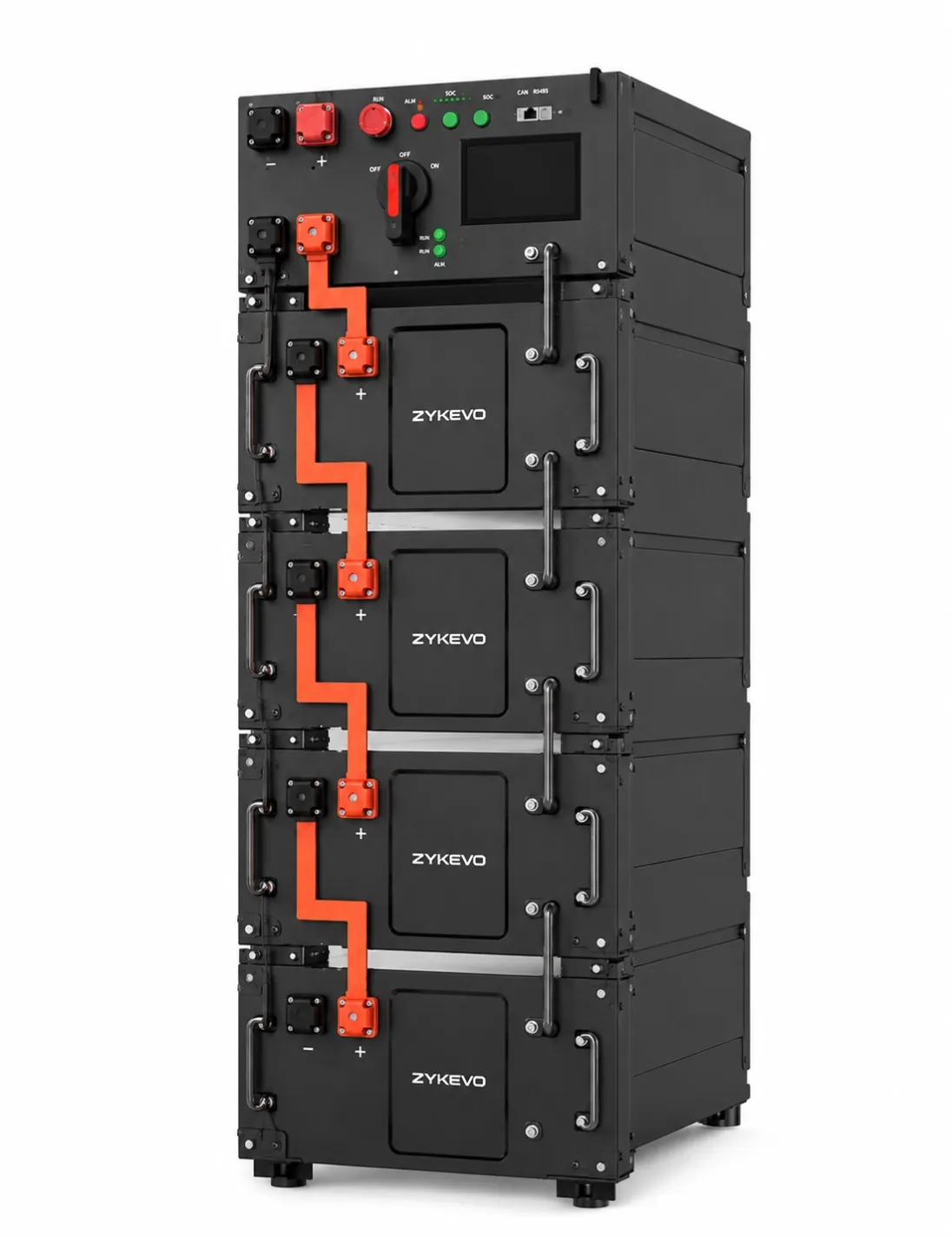
192V, 384V and 512V UPS Batteries: What to Check Before Replacement
UPS battery voltage is one of the first things to confirm before planning a battery replacement or lithium retrofit project. A UPS battery system cannot be selected only by capacity, cabinet size or battery brand. The battery voltage must match the UPS DC bus requirement.
For many small and mid-sized UPS projects, common high-voltage battery matching directions include 192V, 384V and 512V UPS battery systems. These voltage platforms may appear in UPS replacement, long-runtime UPS projects, external battery cabinet projects and lead-acid to lithium retrofit discussions.
This article explains what UPS service companies, IT room service providers and project buyers should check before replacing a 192V, 384V or 512V UPS battery system.
Why UPS DC Voltage Cannot Be Guessed
UPS battery voltage must be confirmed before any battery replacement quotation. Even when two UPS systems have similar kVA ratings, their DC voltage platforms may be different.
For example, one UPS may use a 192V battery string, while another UPS may use a 384V or 512V battery system. The correct voltage depends on the UPS design, battery string structure and DC bus requirement.
If the battery voltage is wrong, the project may face serious problems:
The UPS may not start correctly.
The charger may not charge the battery system properly.
The battery protection system may not match the UPS behavior.
The backup time calculation may be wrong.
The retrofit may become unsafe or impossible to complete.
This is why ZYKEVO recommends checking the UPS model, existing battery quantity, DC voltage range and charger specification before selecting a replacement battery.
Common Check Points for 192V, 384V and 512V UPS Battery Systems
192V UPS battery systems
For a 192V UPS battery system, the project should first confirm the original battery string structure. Many lead-acid UPS battery systems are built from multiple 12V batteries connected in series, but the exact quantity and wiring method must be checked on site.
Before replacement, confirm:
UPS model and rated capacity
Original battery quantity and battery voltage
UPS DC voltage range
Charger current and charging behavior
Required backup time
Battery cabinet size and available space
If lithium battery replacement is being reviewed, the BMS protection logic and UPS charger behavior must also be checked.
384V UPS battery systems
384V UPS battery systems are often reviewed in larger online UPS projects, long-runtime UPS systems and external battery cabinet configurations. The higher DC voltage means the battery system must be planned more carefully.
Before quotation, confirm the UPS DC voltage window, existing battery cabinet structure, battery string quantity, charger specification and required runtime. If the project is replacing lead-acid batteries, check whether the customer wants a direct lead-acid replacement or a lithium retrofit review.
512V UPS battery systems
512V UPS battery systems are usually project-specific and should not be selected only from a simple capacity table. The UPS DC voltage range, charger current, BMS communication and protection coordination should be reviewed before selecting the battery configuration.
For ZYKEVO, 512V UPS battery projects can be discussed as part of high-voltage lithium battery matching for compatible UPS systems. Final configuration depends on the UPS model, real load, runtime target and site installation condition.
Important reminder
192V, 384V and 512V are project matching directions, not universal battery models. Before replacement or retrofit, the UPS side and battery side must be checked together.
Lead-Acid Replacement or Lithium Retrofit?
After confirming the UPS battery voltage, the next question is whether the project should use lead-acid replacement batteries or review a lithium retrofit.
Lead-acid replacement
Lead-acid replacement is usually suitable when the customer wants a familiar and budget-controlled solution. It may also be suitable when the existing battery cabinet is still usable and the required backup time is not very long.
Before replacing lead-acid batteries, check the existing battery quantity, battery age, cabinet condition, wiring condition, charger setting and site maintenance plan.
Lithium retrofit
Lithium retrofit may be reviewed when the customer wants longer cycle life, smaller footprint, lower maintenance frequency or a more compact battery system for longer backup time.
However, lithium retrofit should not be treated as a simple battery swap. The UPS DC voltage range, charger current, BMS protection, communication requirement, installation method and safety logic must be reviewed before quotation.
When to compare both options
For many UPS service projects, it is useful to compare both directions:
Replace the old lead-acid batteries with new lead-acid batteries.
Upgrade the battery system to a compatible lithium configuration.
Extend backup time with external battery cabinets.
Review whether the existing UPS should be replaced together with the battery system.
This comparison helps the customer understand the technical and commercial trade-off before making a decision.
Information Needed for a 192V, 384V or 512V UPS Battery Quote
To review a UPS battery replacement or lithium retrofit project, the following information should be collected before quotation:
UPS brand and model
UPS rated capacity in kVA or kW
UPS input and output voltage
Existing battery voltage, such as 192V, 384V or 512V
Existing battery quantity and battery type
Battery cabinet size and wiring condition
Real load in kW
Required backup time
Whether the customer wants lead-acid replacement or lithium retrofit
Available installation space
Site photos of the UPS, battery cabinet and battery wiring
How ZYKEVO Can Help
ZYKEVO can support UPS service companies, IT room service providers and backup power project partners with UPS battery replacement review, external battery cabinet matching and compatible high-voltage lithium battery configuration.
For 192V, 384V and 512V UPS battery projects, ZYKEVO can help check the battery matching direction based on the UPS DC voltage, real load, required runtime and project installation condition.
Send Your UPS Battery Replacement Requirement
If you are planning a UPS battery replacement or lead-acid to lithium retrofit project, send the UPS model, DC voltage, real load, required backup time and battery cabinet photos. ZYKEVO can help review whether a lead-acid replacement, external battery cabinet or compatible UPS lithium battery configuration is more suitable.